A missed or delayed period does not always mean something serious. Stress, weight changes, PCOS, and thyroid issues can all shift your cycle. Here is how to tell the difference between a temporary blip and something that needs attention.
A typical menstrual cycle runs anywhere between 21 and 35 days. If your cycle has always been 28 days and suddenly becomes 40, that counts as irregular. If your periods come at completely unpredictable times with no pattern, that also counts. Occasional variation of a few days here and there is completely normal and not something to worry about.
The key question is not just the timing, but whether something has changed from your usual pattern.
Most of the time, a temporarily irregular cycle has a straightforward explanation. Here are the most common ones:
A note on PCOS and thyroid conditions: If irregular periods are persistent rather than occasional, the two most common medical causes are polycystic ovary syndrome (PCOS) and thyroid dysfunction. Both are very common, very treatable, and easily investigated with a blood test and an ultrasound.
A single late or missed period after an obvious stressful event is not usually cause for alarm. But do make an appointment if:
When you see a gynecologist about irregular periods, the first appointment is mostly a conversation. Your doctor will ask about your cycle history, any recent lifestyle changes, stress levels, other symptoms, and your family history.
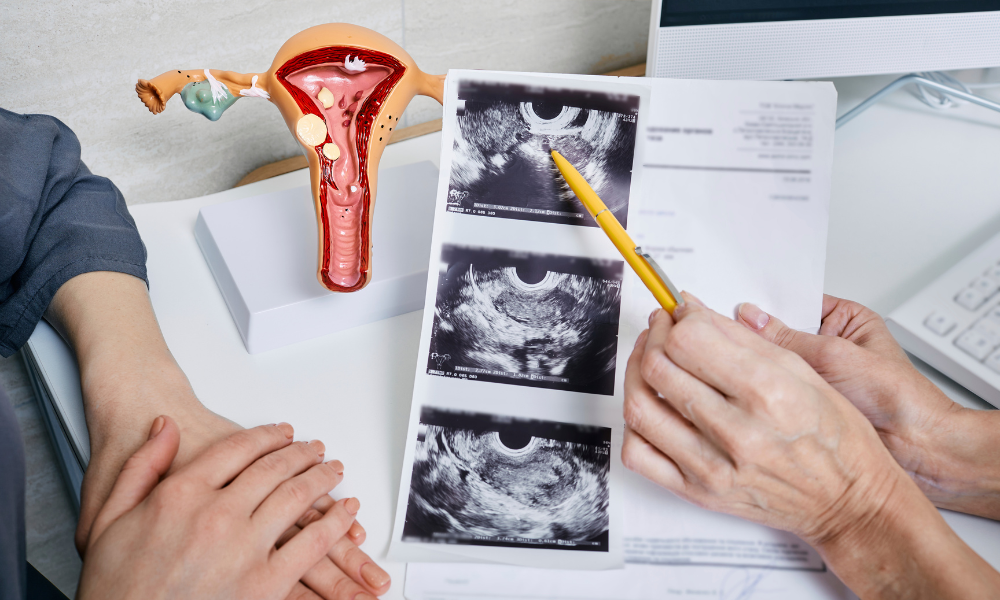
If investigation is needed, it usually starts with a few simple blood tests to check your hormone levels including FSH, LH, prolactin, TSH (thyroid), and sometimes AMH. A pelvic ultrasound is also commonly done to look at the ovaries and uterine lining. These tests are not invasive and give a lot of information quickly.
Myth: Irregular periods mean you cannot get pregnant. Not necessarily. Many women with irregular cycles ovulate perfectly well, just at unpredictable times. That said, irregular ovulation can make conception harder to time, which is worth discussing with your doctor if you are trying.
Myth: You need to have a period every 28 days. The 28-day cycle is an average, not a rule. Cycles between 21 and 35 days are completely normal.
Myth: If it was regular before, it will stay regular forever. Your cycle changes throughout your life, after illness, pregnancy, weight changes, medication, and especially in your 30s and 40s as your hormone levels naturally begin to shift.
This article is for general information only and is not a substitute for medical advice. If you have concerns about your menstrual health, please book a consultation with a qualified gynecologist.
A short consultation is often all it takes to understand what is happening and whether anything needs attention.