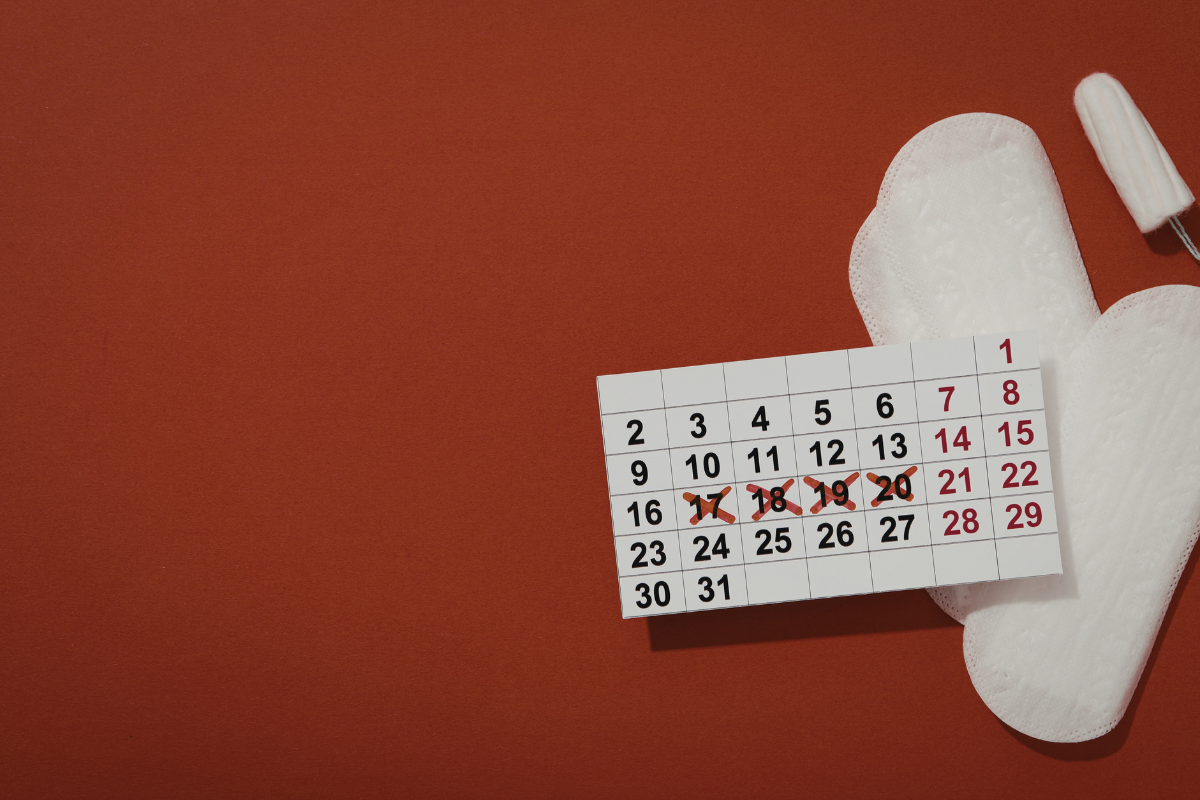
Some women notice clear signs each month. Others feel nothing at all. Both are normal. Here is how ovulation actually works, what signs you might notice, and how to find your fertile window without turning it into a second job.
Ovulation is the moment when a mature egg is released from one of your ovaries. This happens roughly once per cycle, usually somewhere in the middle of your menstrual cycle, though "middle" is less precise than most people assume.
In a textbook 28-day cycle, ovulation happens around day 14. But cycles vary enormously between women, and even from cycle to cycle in the same woman. If your cycle is 32 days, ovulation might not happen until day 18 or 20. If your cycle is 25 days, it might happen as early as day 11.
The egg can only be fertilised for about 12 to 24 hours after it is released. But sperm can survive in the reproductive tract for up to five days. This is why your fertile window is roughly six days long: the five days before ovulation and the day of ovulation itself.
Not all women notice any symptoms, and that is completely fine. But here are the most common signs:
Important: Noticing these signs is reassuring but not conclusive. The only way to confirm ovulation medically is through a blood test measuring progesterone levels in the second half of your cycle, or a series of follicle-tracking ultrasounds. If you have concerns about whether you are ovulating, a simple blood test at the right time in your cycle gives a clear answer.
Over-the-counter ovulation predictor kits (OPKs) detect the surge in luteinising hormone (LH) that happens 24 to 36 hours before ovulation. They are reasonably accurate and can be helpful if you are actively trying to conceive and want more precision than natural signs provide.
That said, they have limitations. Women with PCOS often get false-positive results because their LH levels are naturally elevated. Testing can also become stressful and counterproductive if it turns every cycle into a monitoring exercise. For most couples trying to conceive, timing sex every one to two days during the fertile window, without testing, is just as effective.
If your cycles are very irregular: shorter than 21 days or longer than 35 days, or unpredictable from month to month, this may indicate that ovulation is not happening reliably. This is worth investigating if:
Irregular ovulation is one of the most common and most treatable causes of difficulty conceiving. A straightforward evaluation: blood tests and an ultrasound, usually identifies the cause quickly.
This article is for general information only. If you have concerns about ovulation or fertility, please book a consultation with a qualified gynecologist.
Whether you are trying to conceive or just want to understand your cycle better, a single appointment gives you clarity.