Why Am I Always Bloated
Before My Period?
Feeling heavy, puffy, or uncomfortable in the days before your period is one of the most common complaints Dr. Shivangini hears. Here is what is actually happening in your body, and when it warrants a closer look.
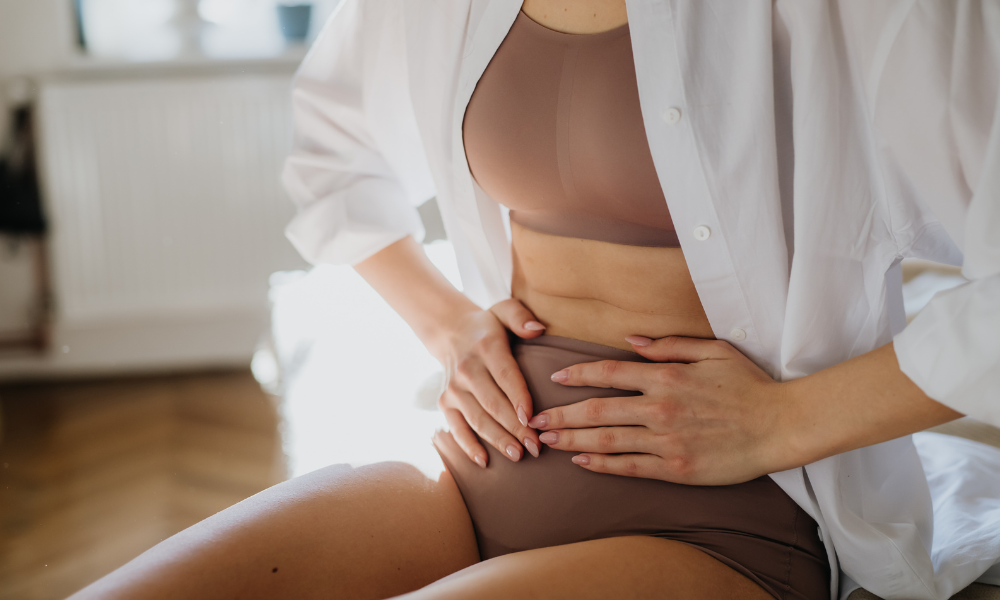
Bloating before a period is extremely common. For many women, it can feel like sudden weight gain, tight clothes, a heavy stomach, or general puffiness in the face and body. While mild bloating is usually part of normal hormonal changes, severe or persistent discomfort can sometimes signal an underlying issue, such as PMS, PCOS, gut sensitivity, or hormonal imbalance.
This article explains what causes period bloating, what falls within the normal range, and when it makes sense to speak with a gynecologist.
Why Does Bloating Happen Before Your Period?
In the days leading up to your period, your estrogen and progesterone levels shift significantly. These hormonal changes can cause your body to retain more water and alter how your digestive system functions. Both of these contribute to that familiar bloated feeling.
Common symptoms during this phase include:
- Abdominal swelling or a feeling of fullness
- A heavy or puffy sensation in the body
- Gas, constipation, or slower digestion
- Temporary weight fluctuations of 1–3 kg
- Breast swelling or tenderness
For many women, bloating begins 5 to 7 days before their period and gradually improves once bleeding starts. This pattern is predictable and tied directly to the hormonal cycle.
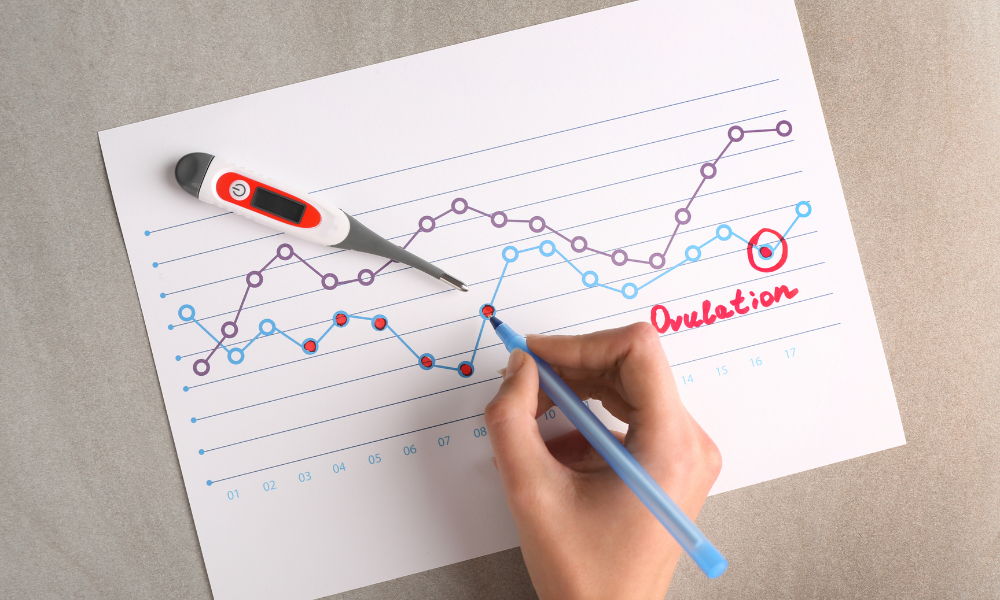
Quick note: Tracking your symptoms on a calendar or period app for 2–3 cycles is one of the simplest ways to identify whether your bloating follows a predictable hormonal pattern or appears randomly throughout the month.
Common Causes of Severe Period Bloating
Not all period bloating is the same. Several factors can make bloating worse: some hormonal, some lifestyle-related, and some linked to underlying conditions.
PMS (Premenstrual Syndrome)
PMS is the most common driver of bloating before periods. It is estimated to affect up to 75% of women at some point. Alongside bloating, PMS may also bring:
- Mood swings and irritability
- Fatigue
- Food cravings (particularly for sweet or salty foods)
- Headaches
- Acne breakouts
High Salt and Processed Food Intake
Eating salty snacks, packaged foods, or sugary items in the premenstrual phase can significantly worsen water retention. Sodium causes the body to hold on to fluid, amplifying the bloating that hormones have already triggered.
PCOS (Polycystic Ovary Syndrome)
Women with PCOS often experience more pronounced bloating due to a combination of hormonal imbalance, insulin resistance, and low-grade chronic inflammation. If your periods are also irregular, or if you have other symptoms like excess hair growth or acne, PCOS is worth investigating.
Digestive Sensitivity and Gut Changes
Hormonal fluctuations before a period can slow gut motility, which is the rate at which food moves through your digestive system. This can worsen symptoms like constipation, acidity, and bloating, particularly in women who already have IBS or digestive sensitivity.
Poor Sleep and High Stress
Elevated cortisol (your stress hormone) increases inflammation and can worsen water retention. Women who are sleep-deprived or under significant stress frequently report worse PMS and bloating symptoms than usual.
What Can Help Reduce Period Bloating?
The good news is that small, consistent lifestyle changes often make a meaningful difference, without needing medication. The following strategies are evidence-informed and worth building into your routine in the week before your period:
- Drink enough water. Counter-intuitive as it sounds, staying well-hydrated helps your kidneys flush excess sodium and reduces water retention.
- Reduce excess salt. Avoid packaged snacks, processed foods, and adding extra salt to meals in the premenstrual week.
- Eat potassium-rich foods. Bananas, coconut water, sweet potatoes, and leafy greens help balance sodium levels in the body.
- Stay physically active. Light walking, yoga, and gentle stretching can ease bloating more effectively than rest alone.
- Limit caffeine and carbonated drinks. Both can contribute to gas, bloating, and digestive discomfort.
- Prioritise sleep. Aim for 7–8 hours, especially in the premenstrual phase.
- Reduce refined sugar and ultra-processed foods. These promote inflammation and can worsen PMS symptoms overall.
Worth knowing: Light exercise is one of the most effective natural remedies for period bloating. Even a 20-minute walk can stimulate gut movement, reduce water retention, and improve your mood, without any side effects.
Period symptoms affecting your daily life?
Dr. Shivangini offers compassionate, evidence-based care for PMS, PCOS, and hormonal concerns in Bhubaneswar.
When Should You See a Gynecologist?
Mild bloating that follows your cycle and resolves with your period is usually nothing to worry about. However, you should book an appointment if:
- Bloating is severe or physically painful
- Your abdomen feels visibly swollen or distended
- Symptoms regularly interfere with work, exercise, or daily activities
- You also have irregular or very heavy periods
- You notice unexpected changes in weight
- There is associated pelvic pain
- Bloating occurs throughout the month, not just before your period
Important: Persistent bloating that does not follow a hormonal pattern, or bloating accompanied by pelvic pain, can sometimes be linked to conditions like endometriosis, ovarian cysts, thyroid dysfunction, or PCOS. These conditions are manageable when identified early.
The Bottom Line
Some bloating before your period is a normal, hormonal response. But your body should not feel uncomfortable every month, and you should not have to simply push through it. Tracking your symptoms is a powerful first step. It helps you understand what is typical for you and makes any conversation with your doctor more productive.
If period bloating is affecting your quality of life, that alone is a good enough reason to seek help. You do not have to "just live with it."
This article has been written and reviewed by Dr. Shivangini Gupta, MS, DNB (Obstetrics and Gynaecology), for informational purposes only. It is not a substitute for personalised medical advice. Please consult your doctor if you have concerns about your health.